PM E-DRIVE Scheme Extended Until 2028, Electric Two-Wheeler Subsidy Reduced to ₹5,000
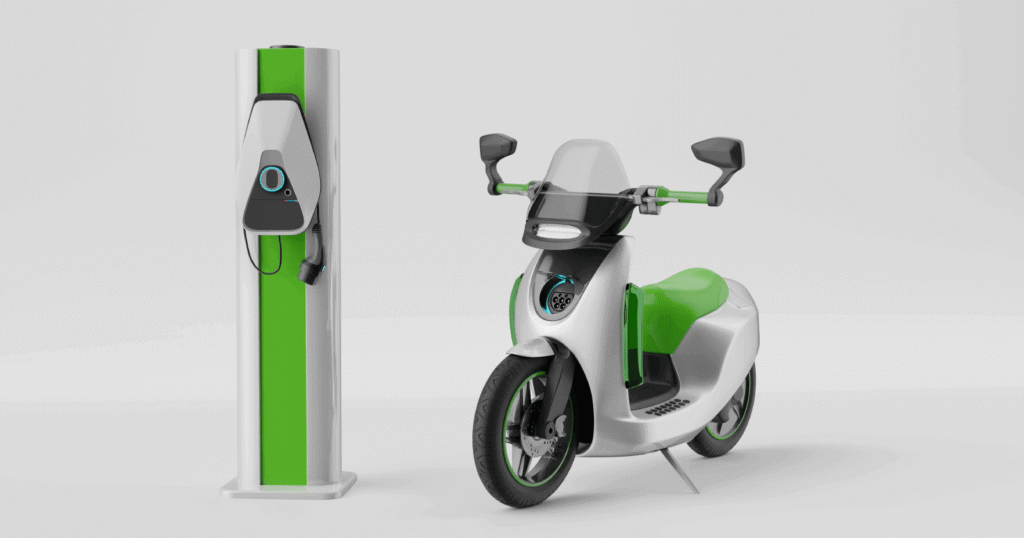
The Indian government has extended the PM E-DRIVE scheme until March 31, 2028, providing the country’s electric mobility sector with a longer period of policy support. However, the extension comes with a significant change for electric two-wheeler buyers, as the government has reduced the incentive available on eligible vehicles.
Under the revised structure, eligible electric two-wheelers will receive an incentive of ₹2,500 per kWh of battery capacity, with the maximum benefit capped at ₹5,000 per vehicle. At the same time, the government has increased the overall budget of the PM E-DRIVE scheme by ₹1,000 crore. The total allocation has therefore risen from ₹10,900 crore to ₹11,900 crore.
Electric Two-Wheeler Subsidy Cut by Half
Under the revised PM E-DRIVE framework, eligible electric scooters and motorcycles will receive an incentive of ₹2,500 for every kWh of battery capacity. However, regardless of the battery size, the maximum benefit available to a buyer will be limited to ₹5,000.
This is a significant reduction compared with the previous incentive structure. During FY2024-25, eligible electric two-wheelers received an incentive of ₹5,000 per kWh, with the maximum benefit capped at ₹10,000 per vehicle.
As a result, EV buyers will receive less direct financial support from the central government. However, the extension of the scheme will provide the electric mobility industry with a longer period of policy support.
Which Electric Two-Wheelers Will Qualify?
Under the revised scheme, incentives could be provided for up to 4,579,120 registered electric two-wheelers.
The government has also established a price ceiling for eligible vehicles. To qualify for the incentive, an electric two-wheeler must have a maximum ex-factory price of ₹1.5 lakh.
The Ministry of Heavy Industries has allocated around ₹2,767 crore specifically to support the electric two-wheeler segment.
This means that not every electric scooter or motorcycle available in the Indian market will automatically qualify for the PM E-DRIVE incentive. Vehicles must meet the scheme’s eligibility requirements, required certifications and applicable price limits.
PM E-DRIVE Budget Increased to ₹11,900 Crore
The government has also increased the overall financial allocation for the PM E-DRIVE scheme. The budget now stands at ₹11,900 crore, compared with the earlier allocation of ₹10,900 crore.
The additional funding is intended to provide more time and resources to support India’s transition toward electric mobility and further develop the country’s broader EV ecosystem.
The PM E-DRIVE scheme was originally announced in September 2024 with an initial allocation of ₹10,900 crore. Its key objectives included encouraging the adoption and use of electric vehicles, strengthening charging infrastructure and supporting EV manufacturing in India.
PM E-DRIVE Scheme Was Launched in 2024
The government officially notified the PM E-DRIVE scheme on September 29, 2024. Initially, the programme was scheduled to run from October 1, 2024, to March 31, 2026.
The scheme also incorporated the Electric Mobility Promotion Scheme (EMPS) 2024, bringing various government initiatives aimed at promoting electric mobility under a broader framework.
Through the programme, the government aims to accelerate EV adoption while strengthening the country’s charging network and domestic electric vehicle manufacturing capabilities.
PM E-DRIVE Timeline Was Previously Extended
The government had already revised the timeline of the PM E-DRIVE programme in August 2025. Following that extension, the overall scheme period was extended until March 31, 2028, although incentive deadlines varied across different vehicle categories.
The extension was particularly intended to provide additional time for areas such as electric buses, electric trucks, testing agencies and charging infrastructure. These segments require longer development and deployment cycles.
In March 2026, another change extended the incentive-linked registration period for eligible electric two-wheelers until July 31, 2026. Longer support periods were provided for categories such as electric rickshaws and e-carts.
What Does the Change Mean for EV Buyers?
The latest changes to PM E-DRIVE could have mixed implications for electric vehicle buyers.
The extension of the scheme provides the EV industry with greater long-term policy visibility. This could help vehicle manufacturers, component suppliers and charging infrastructure companies plan their investments and expansion strategies more effectively.
However, the situation is different for electric two-wheeler buyers. With the maximum subsidy reduced from ₹10,000 to ₹5,000, the direct financial benefit available from the central government has effectively been reduced.
As a result, the subsidy is likely to have a smaller impact on the overall purchase price of an electric scooter or motorcycle than it did under the previous structure.
Greater Challenge for Electric Two-Wheeler Manufacturers
With government incentives becoming smaller, electric two-wheeler manufacturers may need to focus more heavily on pricing, features and overall product value to attract customers.
Key areas that could become increasingly important for manufacturers include:
- Competitive pricing
- Better battery efficiency
- Lower manufacturing costs
- Improved driving range
- Stronger performance
- Local manufacturing
- Better after-sales service
- Attractive EMI and financing options
As government incentives decline, manufacturers may find it more difficult to rely primarily on subsidies to drive sales. Instead, product pricing and overall value are likely to play a larger role in consumers’ purchasing decisions.
Government’s EV Push Remains Strong
Despite the reduction in electric two-wheeler incentives, the increase in the overall PM E-DRIVE budget indicates that electric mobility remains an important priority for the government.
PM E-DRIVE is not limited to consumer purchase incentives. A broader objective of the programme is to build a stronger EV ecosystem across the country. This includes charging infrastructure, domestic manufacturing and other areas connected to electric mobility.
The longer scheme period will also give companies more time to develop long-term strategies and increase investments in EV-related projects.
What Will Matter Most for EV Buyers?
In the coming months, electric two-wheeler manufacturers may adjust their prices and promotional offers in response to the revised subsidy structure. Buyers, meanwhile, are likely to evaluate their options more carefully as the central incentive becomes smaller.
When purchasing an EV, consumers will need to look beyond the subsidy and consider factors such as the ex-showroom price, running costs, battery warranty, driving range, charging network and additional state-level EV incentives.
The extension of PM E-DRIVE until March 2028 provides greater long-term policy clarity to the EV industry. The move comes at a time when electric vehicle adoption in India continues to gain momentum.
Conclusion
The extension of the PM E-DRIVE scheme until March 2028 is an important development for India’s electric mobility sector. It is expected to provide EV manufacturers and infrastructure companies with longer-term policy support.
However, electric two-wheeler buyers will receive a smaller incentive under the revised structure. Eligible vehicles will now receive a central subsidy of ₹2,500 per kWh, capped at ₹5,000 per vehicle, while the overall scheme budget has been increased to ₹11,900 crore.
Overall, the government’s approach appears to be shifting from providing larger direct consumer incentives toward strengthening India’s broader EV ecosystem over the longer term. The impact of this strategy could become increasingly visible in areas such as EV manufacturing, charging infrastructure and other electric mobility segments in the coming years.