


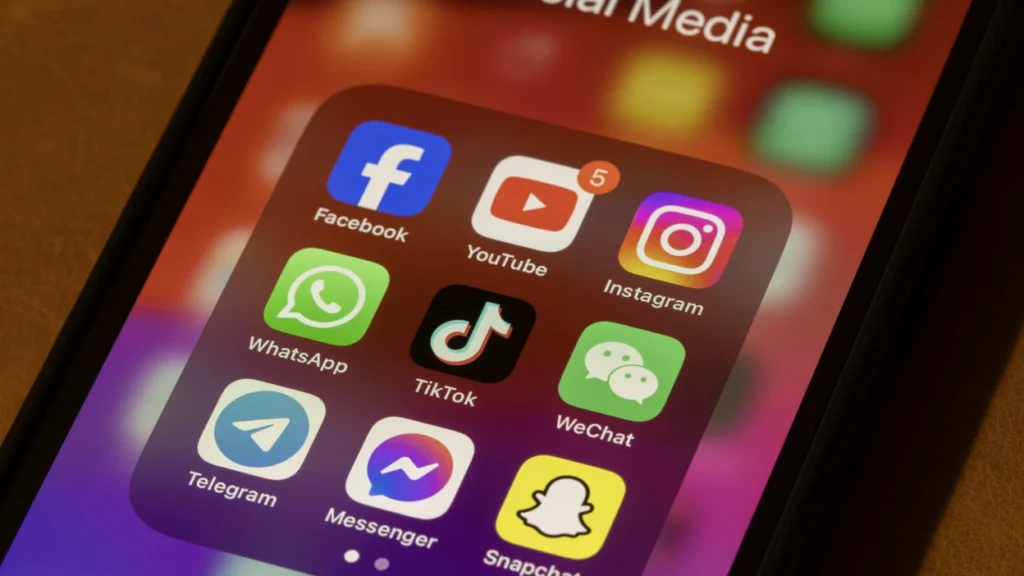
UK Prime Minister Keir Starmer has unveiled an ambitious proposal to restrict children under the age of 16 from accessing major social media platforms. Under the proposed rules, minors could be barred from using popular services such as TikTok, Instagram, Snapchat, Facebook, YouTube, and X. Starmer described the move as a necessary step to protect children and secure a safer future, saying it is aimed at reducing the harmful effects of social media on young people.
The UK government plans to introduce legislation by the end of 2026 to formalize the proposal. If approved, the restrictions could come into force in early 2027. The decision comes amid growing concerns about the impact of social media on children’s mental health, cyberbullying, and online safety.
With this move, the UK would join a growing number of countries taking stricter action on underage social media use. Australia became the first country to introduce a nationwide social media ban for children under 16 in 2025, while nations such as Malaysia and Turkey have also implemented measures aimed at limiting young users’ access to social platforms.
Starmer argues that social media can negatively affect children’s mental wellbeing and make them more vulnerable to online harassment. While acknowledging that social platforms offer certain benefits, he believes the risks associated with underage use cannot be ignored when it comes to child safety.
The proposed restrictions would apply to platforms primarily designed for social interaction and user-generated content. However, messaging services such as WhatsApp and Signal are expected to remain exempt. The government is also considering additional safeguards, including limits on livestreaming, restrictions on communication with strangers, overnight usage curfews, and measures to reduce endless scrolling.
The scope of the proposal may also extend to gaming platforms. Companies could be required to prevent children from livestreaming and interacting with unknown users. In addition, several safety features may be enabled by default for users under the age of 17.
The government is also preparing stricter regulations for AI-powered services. AI chatbots designed to simulate romantic or sexual relationships may be required to enforce a minimum age limit of 18. Certain sensitive AI functionalities could also be restricted for users under 18.
To enforce the new rules, social media companies may be required to adopt advanced age-verification systems. These could include facial age estimation technology, identity document verification, and other digital age-assurance measures. UK communications regulator Ofcom has been tasked with identifying the most effective methods for verifying users’ ages.
However, the proposal has sparked criticism from privacy advocates and digital rights organizations. Critics argue that mandatory age-verification systems could pose risks to user privacy and data security. Some experts also believe that underage users may still be able to bypass restrictions through VPNs and other technological tools.
Despite these concerns, the UK government maintains that stronger safeguards are necessary to create a safer digital environment for children and teenagers. According to officials, the proposed legislation is intended to better protect young users from online risks while promoting a healthier internet experience.