


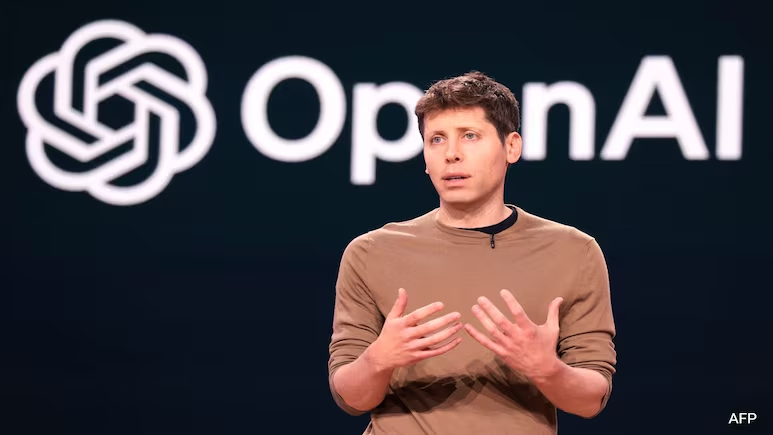
As artificial intelligence continues to gain influence in politics and digital communication, OpenAI is strengthening its efforts to combat misinformation, deepfakes, and cybersecurity threats ahead of upcoming global elections. According to reports, the company is working on new cybersecurity initiatives and strategic partnerships aimed at protecting democratic systems from AI-driven manipulation and digital election interference.
Recent reports suggest that OpenAI is preparing to collaborate with election commissions, policymakers, and technology companies to prevent the misuse of AI tools during political campaigns. In addition, the company is expanding access to some of its advanced cybersecurity technologies for election agencies and organizations responsible for monitoring cyber threats. These measures come at a time when concerns surrounding AI-generated misinformation and deepfake content are growing rapidly around the world.
The rapid development of generative AI has completely transformed the way political campaigns communicate with the public. Modern AI systems are now capable of generating realistic text, images, audio, and videos within seconds. While this technology offers several advantages, experts believe it can also be misused to spread fake narratives, influence public opinion, and create misleading political content. As a result, deepfake videos and AI-powered propaganda have become serious concerns for governments and election authorities worldwide.
Reports also indicate that OpenAI is supporting policy initiatives related to election security and transparency. Proposed measures include clear labeling of AI-generated political content and limiting the spread of misleading digital media. According to the company, maintaining transparency will be extremely important to preserve public trust in online information during election periods.
Growing concerns about AI misuse in politics stem from several incidents in recent years where AI-generated content was allegedly used to influence political discussions and public perception. OpenAI has previously stated that it identified and removed accounts attempting to misuse its AI systems for misinformation campaigns and coordinated influence operations. These campaigns reportedly involved the creation of fake articles, social media posts, and politically sensitive content.
Experts believe the threat of AI-driven misinformation will become even more serious as more countries move closer to elections. Several global studies and risk reports have already identified misinformation and disinformation as major threats to democratic stability. Today, billions of people rely on digital platforms and AI-powered tools for news and information, making it increasingly difficult for governments, social media companies, and AI developers to prevent manipulated content from spreading on a massive scale.
India is also discussing stricter regulations regarding AI-generated content and deepfake technologies. Proposed rules may require clearer labeling of AI-created media and stronger transparency standards for technology companies. Officials believe these measures are essential to prevent misinformation, impersonation, and election-related manipulation, especially in a country like India, which has one of the world’s largest digital ecosystems.
OpenAI’s latest initiatives indicate that major AI companies are beginning to take their responsibility toward protecting democratic processes more seriously. According to experts, stronger cooperation between governments, technology firms, and election authorities will become increasingly important in maintaining a balance between innovation, public safety, and trust.
With several major elections expected to take place across the world over the next few years, the fight against AI-driven misinformation could emerge as one of the biggest technological and political challenges of the modern digital era.