Electric Cars Facing the End: EV Models That Will Disappear Before 2026
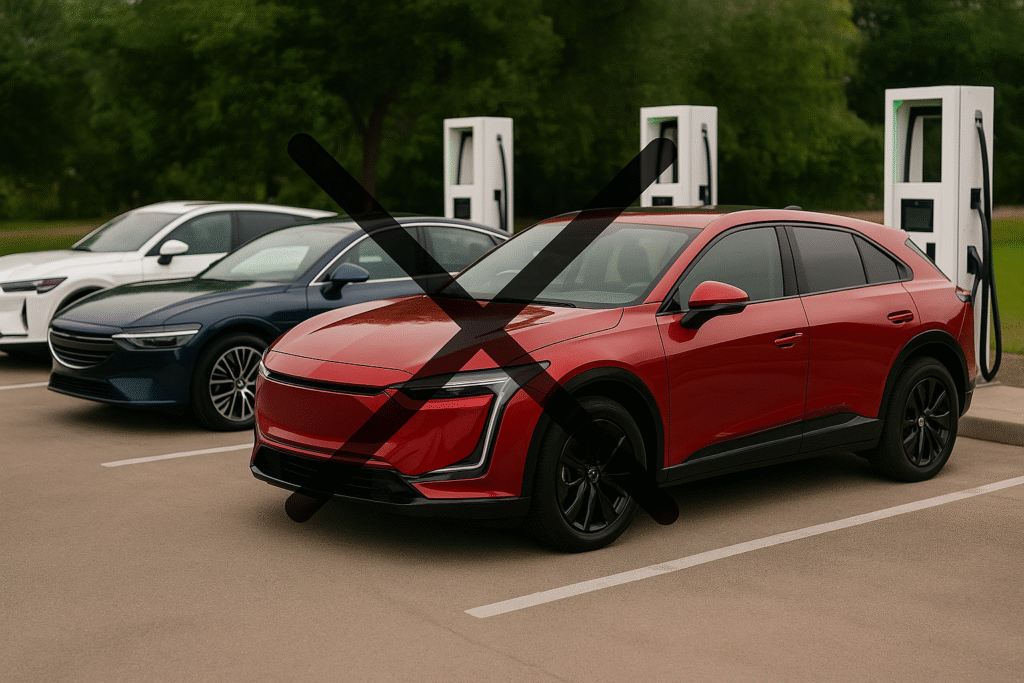
The electric vehicle (EV) market is going through a major shake-up as we move toward 2026. Many car companies had expected rapid growth in EV demand, but the reality has turned out to be much tougher. High manufacturing costs, unstable pricing, supply chain problems, and changing government policies have pushed several EV models toward early retirement. While new electric cars continue to enter the industry, some well-known models will not survive the next few years.
Industry analysts say the EV competition has become extremely intense. Many brands were forced to rethink their lineups after realizing that some of their electric models were not selling enough to justify continued production. As a result, a few vehicles that were launched only recently are already heading toward discontinuation.
Below are the key electric cars that will not make it past 2025.
1. Acura’s First Electric SUV Ends Early
Acura introduced its first electric SUV with big expectations, hoping it would set a new direction for the brand. However, the model struggled to find a solid customer base. Despite offering strong range, premium design, and modern features, the SUV could not match the sales numbers Acura had hoped for.
The price tag also played a major role. Positioned in the higher range, the car failed to compete with more affordable electric alternatives already capturing the market. With fewer than expected units sold, the company decided to pull the plug and shift focus to future EVs with better market fit.
What makes this decision interesting is that Acura had discontinued a similarly named gasoline model years ago due to low sales. The electric version met a similar fate, ending its production within a short span.
2. A Quiet Exit for the Electrified Genesis Sedan
Genesis entered the EV scene with a luxury electric sedan that offered comfort, premium features, and a smooth driving experience. However, the car launched slowly, and availability issues affected its early performance.
Even after entering the market, the sedan struggled to compete with faster-selling electric luxury models. Sales remained low, and interest never expanded beyond a small group of buyers. By mid-2025, the brand decided to discontinue the sedan in the U.S. market.
Globally, the model will still have a presence, especially in markets where luxury electric sedans perform better. A refreshed version is expected to appear outside the U.S., but its life in North America has officially ended.
3. Nissan’s Electric SUV Faces a Short Life
Nissan had big hopes to follow the success of its popular electric hatchback with a larger electric SUV. The company announced the model with excitement, aiming to offer a strong competitor in the mid-range EV segment. But multiple delays and production bottlenecks slowed its progress.
By the time the SUV reached showrooms, the EV landscape had already changed dramatically. Competing brands offered longer ranges, lower prices, and faster charging. The base model’s limited range made it hard for Nissan to compete, especially against rivals like Tesla and other fast-growing EV makers.
Although sales improved over time, they never reached the levels needed to sustain the model. As a result, Nissan decided to end production of the SUV by 2025 and explore better strategies for future EV launches.
Models Delayed, Not Cancelled — Yet
Alongside discontinued EVs, several models are facing delays that raise questions about their future. A few electric sedans, performance cars, and new-generation EVs have had their launch schedules pushed further back.
A popular electric convertible expected around 2026 has now been delayed to 2028. Another electric sedan designed for global markets has been postponed indefinitely in the United States. These delays do not mean cancellation, but they signal uncertainty as car companies reassess the profitability of certain EV categories.
Some EV trucks are also experiencing lineup changes. Certain base trims are being removed, leaving customers with only higher, more expensive options. This shift indicates that brands may be trying to protect profit margins while the EV market settles.
What About the Cybertruck?
One of the most discussed electric vehicles continues to face mixed reactions. Despite heavy marketing and a bold design, the futuristic truck has struggled with sales, reliability issues, and customer dissatisfaction. Industry experts believe that even though the model is technically still in production, its long-term future looks doubtful. For now, it remains in a gray zone — not discontinued, but not thriving either.
The Future: New EVs Coming in 2026
Even as some electric cars disappear, many new EVs are preparing to enter the market. Smaller, more affordable electric SUVs, advanced sedans from new partnerships, and redesigned premium models are expected to arrive over the next two years.
A few highlights for upcoming EVs include:
- A compact electric SUV from an emerging American brand
- A sleek sedan from a major Japanese-tech collaboration
- A new electric series from a major global automaker
- A redesigned entry-level electric sedan from a German luxury brand
These new models are expected to offer longer ranges, smarter technology, and competitive pricing.
Conclusion
The EV industry is evolving rapidly, and not every model can survive in this competitive environment. The electric vehicles discontinued before 2026 reflect the challenges brands face: pricing, demand shifts, delays, and tough competition.
However, the future remains bright. As older EVs are phased out, newer models with better features, stronger value, and improved efficiency will shape the next chapter of electric mobility.